What Marijuana Rescheduling Actually Means for Dispensary Operators

What Marijuana Rescheduling Actually Means for Dispensary Operators
There’s been a lot of noise around the federal government reclassifying marijuana. Here’s what actually matters if you own or operate a dispensary.
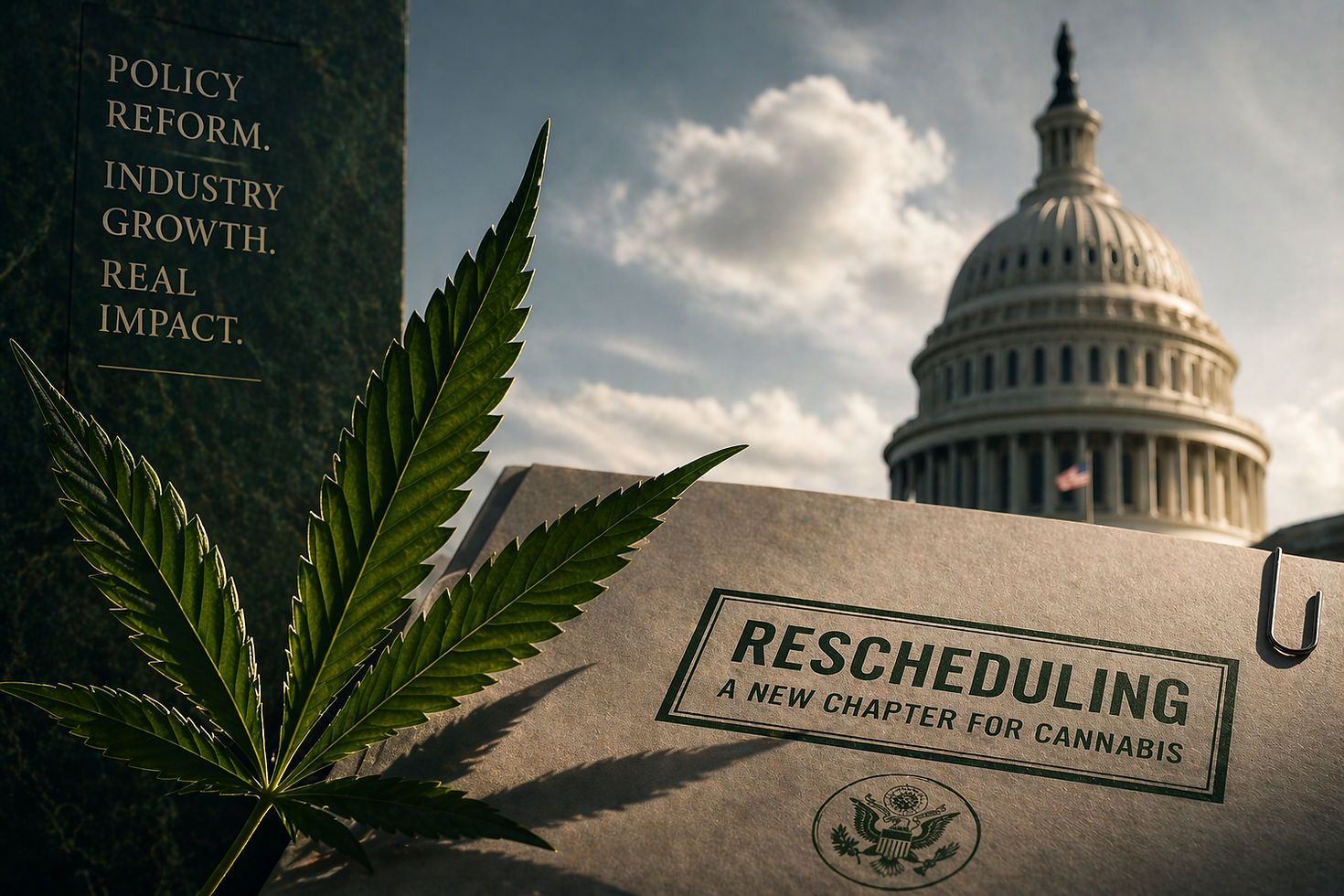
This change moves cannabis from Schedule I to Schedule III. It doesn’t legalize it, but it does shift how the government views it. And that has real business implications.
The biggest win is taxes
For years, dispensaries have been crushed by IRS rule 280E. You couldn’t write off basic expenses like rent, payroll, or marketing. That’s why so many profitable shops still felt cash poor.
With Schedule III, that changes.
You’ll be able to take normal business deductions. That alone can dramatically improve your margins.
If you run a dispensary, this is the moment to sit down with your accountant and rethink your numbers. What used to barely work might suddenly scale.
Capital gets easier to access
This shift also changes how investors look at cannabis.
It doesn’t fix banking overnight, but it reduces the risk profile. That matters when you’re raising money, bringing on partners, or trying to expand.
Operators who are organized, compliant, and have clean financials are going to have a much easier time getting capital than they did a year ago.
Expect better products and more competition
Schedule I made research difficult. That barrier is starting to come down.
Over time, you’ll see more:
Data behind products
Standardized dosing
Medical-focused branding
This is good for the industry, but it also means competition will level up. The brands that win will be the ones that feel intentional, not just available.
This adds legitimacy
Whether we like it or not, perception matters.
This move signals that cannabis is being taken seriously at a federal level. That can make a difference when you’re:
Negotiating a lease
Talking to landlords
Building partnerships
Expanding into new markets
It becomes easier to position your business as a real, long-term operation.
What hasn’t changed
This is important.
Cannabis is still not federally legal. You still can’t move product across state lines. Compliance still matters just as much as before.
Nothing about this gives you room to be sloppy.
What smart operators should do now
Take advantage of the moment without getting ahead of it.
Get your financials in order.
Revisit your growth strategy.
Think about your brand and positioning.
Start planning like a business that can actually scale.
Because that’s where this is heading.
Final thought
This isn’t just a policy change. It’s a shift in how the cannabis industry operates.
The operators who treat this like an opportunity to tighten up and grow will be the ones who benefit the most.
The rest will feel the competition.

Comments